
“Memorial Day Remembers and Honors Our Fallen” — MRFF Board Member John Compere on the meaning, history, and traditions of Memorial Day

Published On: May 25, 2026|Categories: Top News|0 Comments on “Memorial Day Remembers and Honors Our Fallen” — MRFF Board Member John Compere on the meaning, history, and traditions of Memorial Day|
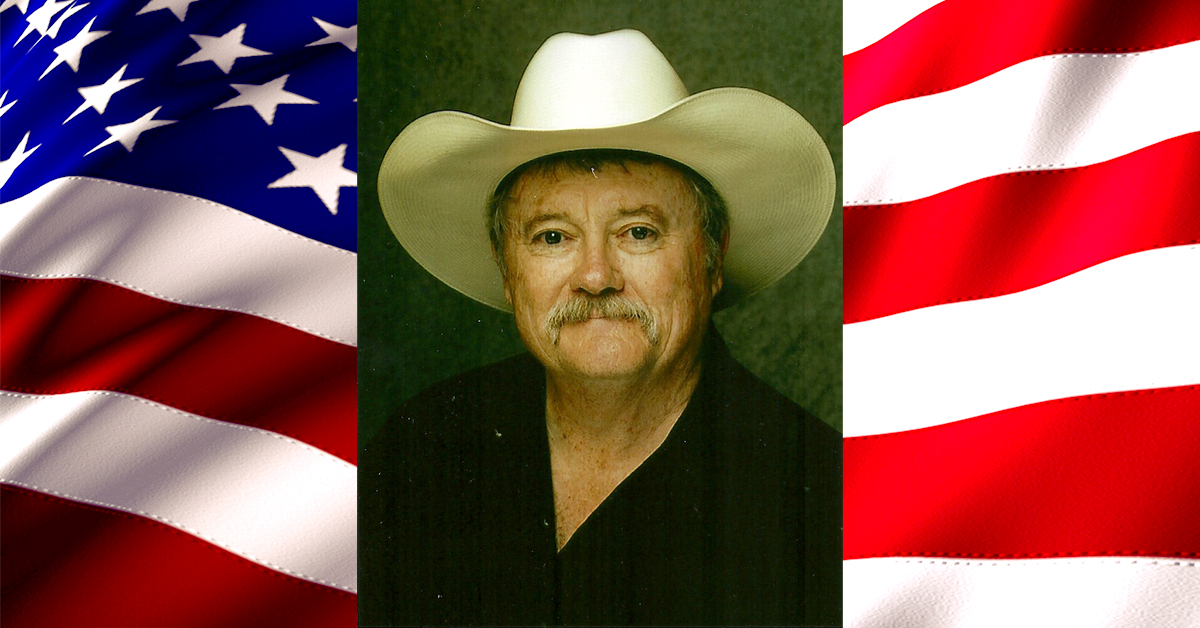
Headshot of John Compere on American Flag background

JohnCompere_FlagBG_1200x628

Memorial Day is May 25 and our national holiday for remembering and honoring the patriotic men and women who sacrificed their lives in the military service of this country to preserve the democracy and freedoms we cherish as Americans. Many Americans do not know the history and meaning of Memorial Day. 

A remembrance day has been observed since 1868 to honorably memorialize our brave military members who gave their lives defending this country. The genesis came from American women who decorated the graves of fallen soldiers with flowers in reverent remembrance during and after the Civil War. It was originally known as Decoration Day. 

It became Memorial Day and a federal holiday on the last Monday of May by the 1971 National Holiday Act. The National Moment of Remembrance Act of 2000 also requests that we pause for one minute at 3pm on Memorial Day as an act of national unity to remember and honor America’s fallen military heroes. Memorial Day weekend traditionally starts the summer vacation season.

Memorial Day should not be confused with Veterans Day (every November 11th) recognizing living and deceased military veterans who honorably served any length of time during peace or war and are no longing serving or Armed Forces Day (3rd Saturday in May) recognizing military men and women currently serving. We commemorate three distinct categories of military service with three different national observances. Memorial Day is for those who served but never made it out of their uniform, Veterans Day is for those who served and hung up their uniform and Armed Forces Day is for those still serving in uniform. 

The first American revolutionary fatality was Crispus Attucks, an American stevedore of Native and African descent, killed by the British during the Boston Massacre over 250 years ago. Eight citizen-soldiers fell later at the beginning of American Revolution armed hostilities near Lexington, Massachusetts. Approximately 1,355,000 have perished fighting for this country (and at least 15 more during the current war with Iran) and over 40,000 remain missing in action. There will be more as long as we humans remain a warring species.Greek Philosopher PLATO wisely warned “Only the dead have seen the end of war”.

Patriotic remembrance ceremonies and events are held throughout the country, including the National Memorial Day Concert on the US Capitol lawn and a wreath placing ceremony by the President at the Tomb of the Unknown Soldier in Arlington National Cemetery. The annual Flowers of Remembrance Day event allows the public to lay a flower at the Tomb. The American Legion crimson poppy flower is sold and worn as the nationally recognized symbol of remembrance for those who gave their lives in the service of this country.

On Memorial Day, the American flag is traditionally raised to the top of the staff in the morning and lowered to half-staff until noon when it is raised back to full staff for the rest of the day. Lowering the flag to half-staff represents remembrance of those fallen. Return to full staff symbolizes their memory being raised by the living who resolve not to let their sacrifice be in vain, but to rise up and continue the fight for freedom, democracy and justice.

Another American tradition observed for Memorial Day is the placing of coins on graves of deceased military members who gave their lives serving our country. It is a symbolic act of respect and gratitude for their service and sacrifice. Coins of different denominations have distinct meanings (Penny – you knew the deceased, Nickel – you and the deceased attended basic training together, Dime – you and the deceased served together, and Quarter – you were present when the deceased was killed). Vietnam War veterans established a different but related coin tradition. Change of any denomination can be left at the grave of a deceased military comrade as the “down-payment” on a promise to buy him or her a drink when you meet in the afterlife. The custom of placing coins with the deceased originated in ancient Greek mythology.

It is also important that we remember our Gold Star families on Memorial  Day. Beginning with World War I, service flags/banners with a blue star were flown by families for every immediate family member serving in the US Armed Forces. If their loved one died while serving our country, the blue star was replaced by a gold star that allowed the community to know the sacrifice the family had made for freedom. Our nation recognizes and acknowledges the sacrifice that all Gold Star families make when a family member dies in service to the nation. No one has given more for our nation than these families of the fallen.

Wherever you may be this Memorial Day, please pause for a moment to respectfully remember the brave military men and women who sacrificed their precious lives for our cherished American democracy and individual liberties.

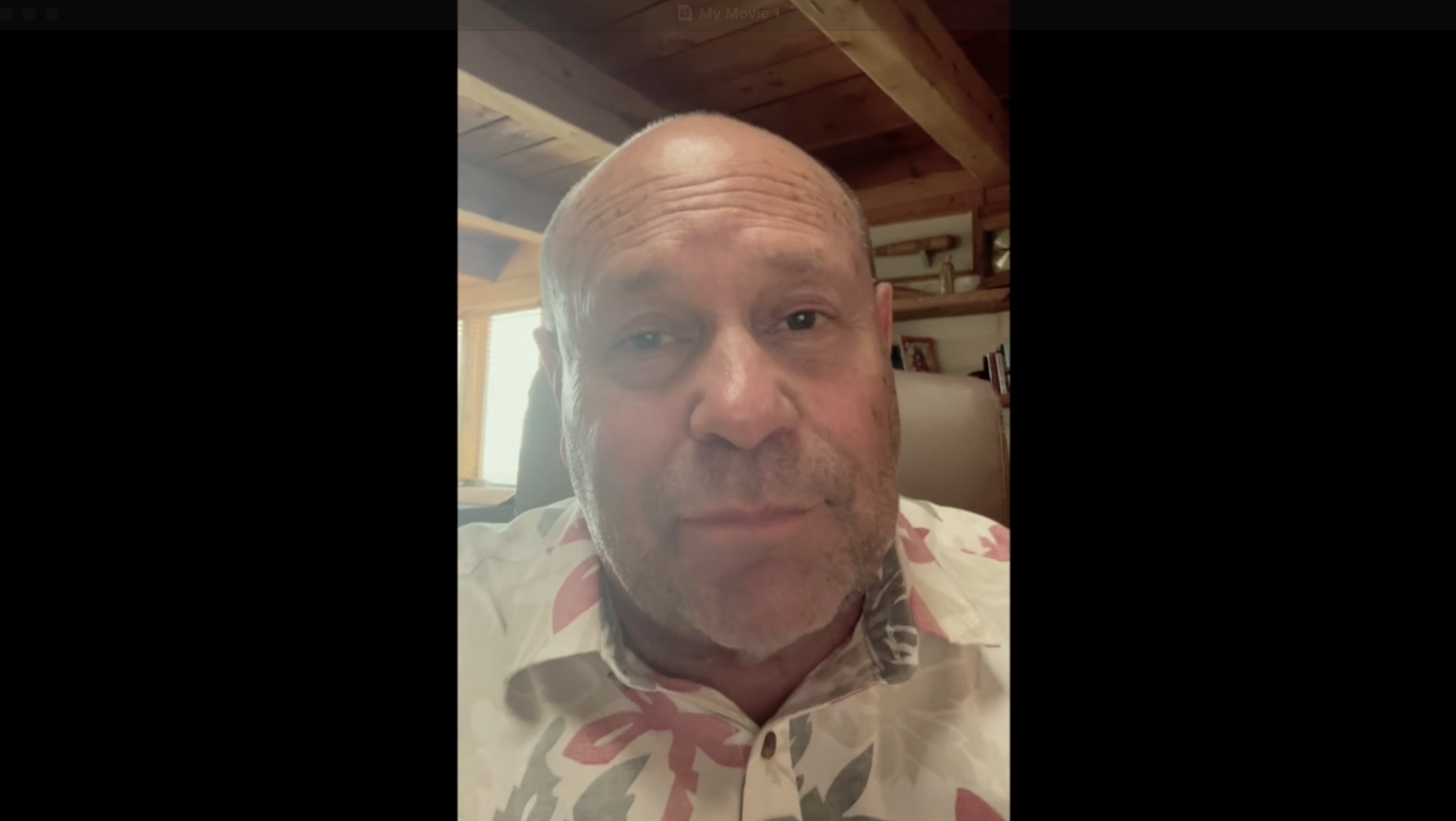
John Compere
Brigadier General, US Army (Retired)
Former Chief Judge, US Army Judiciary
Disabled American Veteran (Vietnam Era)
Board Member, Military Religious Freedom Foundation
Texas rancher

Share This Story

Leave A Comment